

The European Union has always been at the forefront of setting stringent emission standards to tackle environmental pollution and climate change. With the announcement of the Euro 7 emission standards, the automotive industry is set to undergo another transformation. While the primary focus of such regulations is often on engines and exhaust systems, it is essential to understand that every component of a vehicle plays a role in emissions, including the brakes. This article delves into the Euro 7 impact on the brake systems of passenger cars, vans, trucks, and buses.
Urban air pollution is caused not only by exhaust emissions but also by non-exhaust emissions (NEE). It is now acknowledged that a percentage of urban air pollution is attributed to NEE. Brake wear is one of the sources of NEE. When brakes are applied, the friction between the AUTOMOTIVE BRAKE PADS and disc generates tiny particles that are released into the atmosphere. Manufacturers may need to innovate in brake technology due to the impact of Euro 7 standards on NEE. These standards are likely to prompt further investigation and potential regulations.
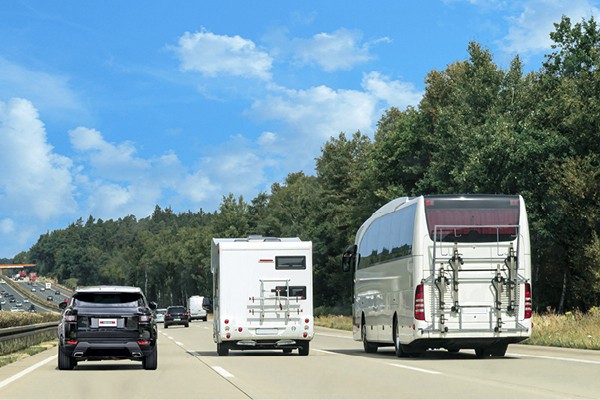
 Brake Technology Advances for Passenger Cars and Vans
Passenger cars and vans are increasingly using electric and hybrid technologies, which reduce brake wear. Regenerative braking systems use the vehicle's electric motor to slow it down, reducing the reliance on traditional friction brakes. Euro 7 emphasizes lower emissions, which will likely accelerate this shift. As a result, brake wear will decrease, leading to reduced NEE from these vehicles.
Challenges for Trucks and Buses
Trucks and buses pose a greater challenge due to their size and weight. They require robust braking systems that generate a larger amount of brake wear particles compared to passenger cars. Ferodo is exploring advanced materials for AUTO BRAKE PADS and discs that produce fewer emissions when worn down.
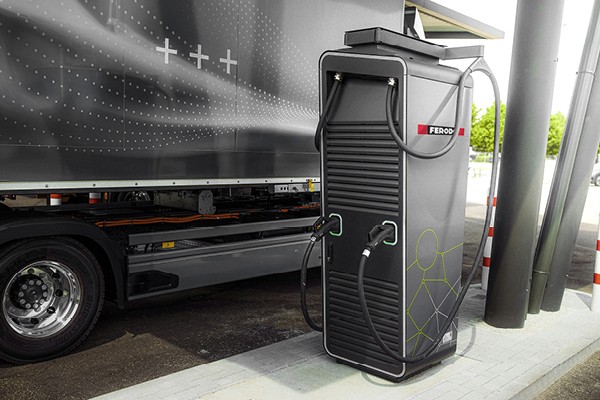
Regenerative Braking in Heavier Vehicles
Electric trucks and buses are not as developed as passenger EVs. However, their growth will bring regenerative braking to larger vehicles. This would extend brake life and reduce NEE. Euro 7 could speed up the transition to electric commercial vehicles, indirectly benefiting the environment by reducing brake wear.
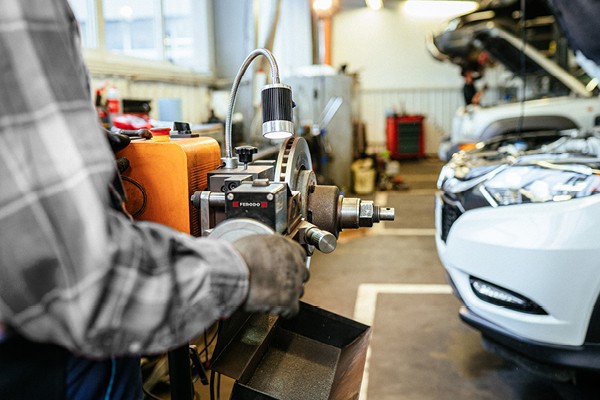
Further Research and Monitoring
As the industry progresses with these innovations, Ferodo is monitoring brake wear emissions closely. Real-world, on top of laboratory and dynamometer testing, is providing accurate data on the effectiveness of new brake technologies in reducing NEE. This could result in further revisions to regulations, guiding in producing the most environmentally friendly brake systems.
Conclusion
The EU's commitment to reducing vehicular pollution is evident in the introduction of the Euro 7 emission standards. While exhaust emissions have been a focus for some time, non-exhaust emissions, even from brake wear, are now receiving attention. The automotive industry is poised for another significant transformation, with innovations in brake materials and wider adoption of regenerative braking systems. This will contribute to a cleaner and sustainable future for urban mobility.
The content contained in this article is for entertainment, informational and promotional purposes only and should not be used in lieu of seeking professional advice from a certified technician or mechanic. We encourage you to consult with a certified technician or mechanic if you have specific questions or concerns relating to any of the topics covered herein. Under no circumstances will we be liable for any loss or damage caused by your reliance on any content.